
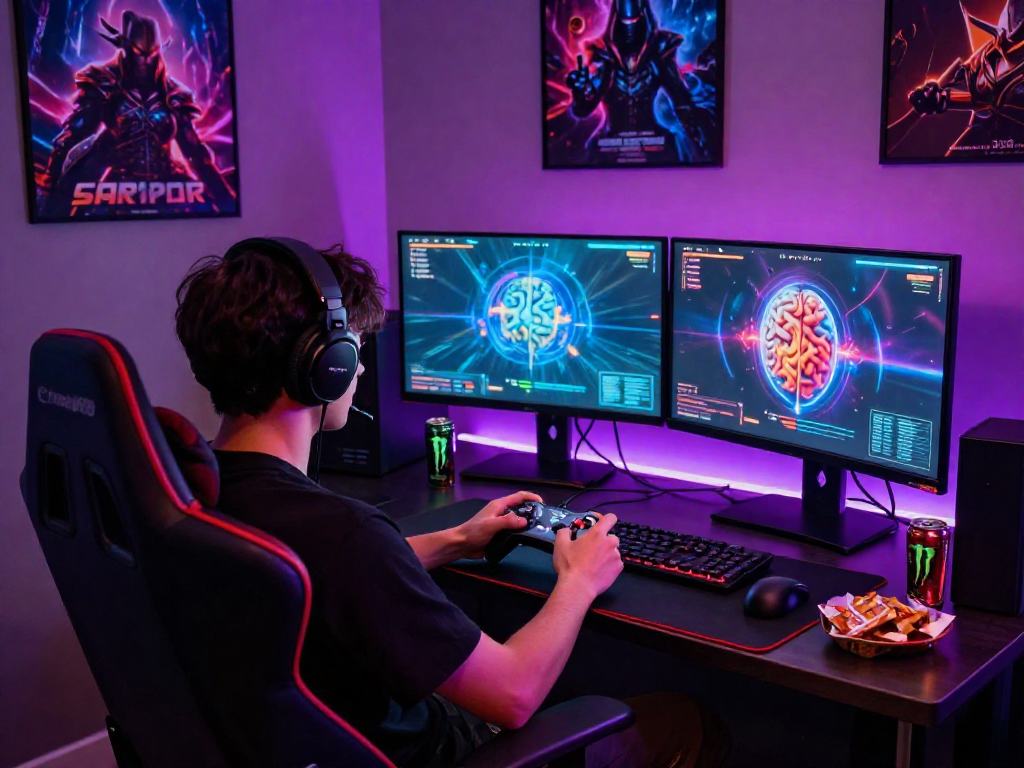
The Fascination with Mind Control Porn in Gaming
The genre of mind control porn in gaming has captured the imagination of players for years. This fascination often intertwines elements of fantasy, power dynamics, and psychological manipulation. As technology evolves, so too does the way these themes are integrated into gaming narratives, offering players unique experiences that challenge their perceptions of autonomy and control. When exploring options, mind control porn games provide comprehensive insights into these intriguing dynamics.
Understanding the Concept of Mind Control in Games
Mind control in gaming typically refers to themes where characters gain influence over others, manipulating their thoughts and actions. This concept can serve both as a plot device and a mechanic, allowing players to engage with deeper psychological narratives. It raises questions about free will, morality, and the nature of consent, making it a compelling aspect for both players and developers.
Historical Context and Evolution of Mind Control Themes
The portrayal of mind control has a rich history in gaming that dates back to early titles in the 1980s and 1990s. Games like "Sonic the Hedgehog" introduced elements where characters exerted control over others, albeit in a more subdued form compared to contemporary titles. Over time, with advancements in technology and storytelling capabilities, games began exploring the darker and more intricate aspects of control, leading to modern games where this theme is often central to the narrative experience.
The Appeal of Mind Control Narratives for Gamers
The appeal of mind control narratives can be attributed to their ability to immerse players in morally complex situations. They invite players to explore the consequences of their choices and the implications of control. This can lead to a deeper engagement with the game, as players navigate the ethical dilemmas presented by such themes. Furthermore, the thrill of wielding power, even fictitious, taps into innate desires for agency and dominance, making mind control narratives particularly enticing.
Popular Mind Control Games to Explore
Top Titles Dominating the Mind Control Genre
Several titles have become iconic within the mind control genre, each offering unique mechanics and narratives that captivate audiences. Games like "Psychonauts," which explores the mind's landscape through metaphorical representations of consciousness, and "Doki Doki Literature Club," which employs psychological horror and control themes, are prime examples. Additionally, "The Binding of Isaac" presents themes of control and manipulation through its gameplay and story, appealing to players with its dark yet intriguing narrative.
Comparative Analysis of Game Mechanics
Game mechanics surrounding mind control can vary significantly. Some games utilize direct control mechanisms, where players actively engage in controlling NPCs (non-playable characters), while others might implement narrative-driven approaches that allow players to influence characters' decisions through dialogue choices. For example, "Mass Effect" uses a decision-making system that can lead to mind control-like scenarios, while others may employ stealth mechanics where controlling one's environment is pivotal.
User Reviews and Community Feedback on Mind Control Games
User reviews play a crucial role in shaping the perception of mind control games. Many players appreciate the depth and complexity these titles offer, with community discussions often focusing on the ethical implications of control. Feedback can vary, however, with some players finding certain elements unsettling or problematic, leading to robust debates on forums regarding the representation and the implications of such narratives. Understanding community sentiment can provide invaluable insights for both developers and new players entering the genre.
Psychological Impact of Mind Control Themes
Positive and Negative Effects on Gamers
The psychological impact of engaging with mind control themes can be multifaceted. On the positive side, these games can foster critical thinking and ethical reasoning, as players explore the consequences of control. Conversely, they may evoke discomfort or trigger negative reactions in some players, particularly those sensitive to issues of autonomy and consent. Balancing these elements is essential for developers to create enriching experiences that resonate well with players.
Understanding Player Behavior Through Mind Control Narratives
Analyzing player behavior in response to mind control narratives provides a fascinating glimpse into human psychology. Players often mirror their feelings and beliefs about control and authority through their in-game choices. Understanding these behaviors can inform future game design and marketing strategies, as developers seek to cater to psychological triggers that resonate with their audience.
Addressing Concerns: Controversies Surrounding Mind Control Content
Mind control themes often spark controversy, particularly regarding their portrayal of consent and psychological manipulation. Critics argue that some depictions can perpetuate harmful stereotypes or normalize unethical behavior. Developers must navigate this complex landscape, ensuring responsible representation that fosters discussions rather than merely sensationalizes the themes. Engaging with players and addressing concerns is vital for building a respectful and inclusive gaming environment.
Future Trends in Mind Control Gaming
Emerging Technologies and Innovations in Game Design
The future of mind control in gaming is poised for exciting developments, thanks to emerging technologies like virtual reality (VR) and artificial intelligence (AI). These innovations can offer immersive experiences that deepen engagement with mind control narratives, allowing players to experience control in ways previously unimaginable. For instance, VR can create a sense of presence that amplifies the psychological impact of control, transforming player interactions and the overall gaming experience.
Predictions for Mind Control Game Themes Post 2026
Looking ahead, we can anticipate a continued evolution of mind control themes as developers explore more nuanced narratives. By 2026, we may see games that not only challenge traditional power dynamics but also empower players to reflect on their values and decisions more deeply. Interactive storytelling can evolve, inviting players to contribute to the narrative in ways that resonate with their beliefs about control and agency.
How Gamers Can Prepare for the Future
As the gaming landscape evolves, gamers can prepare by staying informed about trends and engaging with communities that discuss mind control themes. Participating in forums, sharing experiences, and advocating for responsible gaming can enhance their understanding and appreciation of the genre. As mind control narratives grow more complex, an informed player base will be essential in shaping the future of gaming.
Maximizing Your Experience with Mind Control Games
Essential Tips for Beginner Players
For those new to mind control games, starting with titles that strike a balance between accessibility and depth is essential. Engaging with community guides and walkthroughs can provide insights into the mechanics and narratives, enhancing your experience. Taking the time to explore and reflect on the themes can also deepen your appreciation and understanding.
Community Engagement: Joining Mind Control Game Forums
Community forums offer invaluable resources for both new and seasoned players of mind control games. By participating in discussions, sharing experiences, and seeking advice, players can enrich their gaming journey. Active engagement fosters a sense of belonging, allowing players to delve deeper into themes and connect with others who share their interests.
Resources and Guides for In-Depth Understanding
To further enhance your understanding of mind control themes in gaming, numerous online resources and guides are available. These can provide analyses of game mechanics, character development, and narrative structures, helping players appreciate the complexities of their favorite titles. Resources like blogs, video essays, and academic articles can offer diverse perspectives on the genre.
What Are the Most Common FAQs?
As with any gaming niche, players often have common questions regarding mind control themes. Some frequent inquiries include:
- What are the most impactful mind control games out there?
- How do game mechanics influence player experience in mind control narratives?
- What ethical considerations should players keep in mind while engaging with these games?
What Games Feature Mind Control Themes?
Countless games incorporate mind control themes, each presenting unique interpretations. Titles such as "Inception," "Control," and "Danganronpa" delve into various aspects of psychological control, offering rich narratives for players to explore. Newer titles are likely to continue pushing these boundaries, incorporating innovative gameplay that makes the most of evolving technology.
Are Mind Control Themes Harmful in Gaming?
The question of whether mind control themes are harmful in gaming is complex. While some players may find certain portrayals unsettling, others may interpret them as thought-provoking narratives that challenge moral boundaries. Ultimately, developers should approach these themes with care, promoting responsible representation that encourages critical engagement rather than desensitization.
How to Assess the Quality of Mind Control Games?
To assess the quality of mind control games, consider factors such as storytelling, character development, and gameplay mechanics. Reviews, player feedback, and community discussions can also provide valuable insights. Engaging with various titles and reflecting on your experiences will help you form a well-rounded understanding of the genre and its attributes.
What Future Technologies Will Impact Gaming?
The gaming industry is ever-evolving, with future technologies poised to reshape the way we experience mind control themes. Innovations in AI, augmented reality (AR), and cloud gaming will likely open new avenues for storytelling and player interaction, enhancing the immersion and emotional resonance of these narratives. Keeping an eye on these developments will help players appreciate and adapt to the changing landscape of gaming.